



Introduction
Trading in financial markets is a journey filled with both opportunities and challenges. Whether you’re engaging with traditional markets or exploring the innovative realm of prediction markets like those offered on PRDT.Finance, the difference between profit and loss often lies in your approach. In this guide, we will explore five in-depth strategies that every trader must know to navigate prediction markets for crypto and forex assets successfully. Armed with these insights, you can transform your trading experience into a consistently profitable endeavor.
1. Deep Dive into Market Dynamics
Understanding Market Mechanics
In any form of trading, the foundation of success is a solid grasp of market dynamics. Prediction markets, where users forecast the future prices of assets, require a nuanced understanding of the underlying factors that influence market movements. For crypto assets, these factors can include anything from technological advancements and adoption rates to regulatory news and macroeconomic trends. In the forex market, interest rates, geopolitical stability, and economic indicators like GDP and employment figures play a crucial role.
Analyzing Market Sentiment
Market sentiment refers to the overall attitude of investors toward a particular asset or market at a given time. Sentiment analysis involves gauging whether the market is bullish (optimistic) or bearish (pessimistic) and adjusting your predictions accordingly. For instance, if the sentiment is overwhelmingly bullish due to positive news, you might predict a price increase. However, contrarian strategies — where you go against the prevailing sentiment — can also be profitable in overbought or oversold conditions.
The Role of Fundamental Analysis
In addition to sentiment, fundamental analysis is key to understanding the intrinsic value of the assets you’re predicting. For example, when predicting crypto prices, consider factors such as the utility of the blockchain, developer activity, and partnerships. In forex, look at a country’s economic health, inflation rates, and central bank policies. By combining both sentiment and fundamentals, you can make more informed predictions that reflect the asset’s true potential.
2. Mastering Technical Analysis
Chart Patterns and Trend Analysis
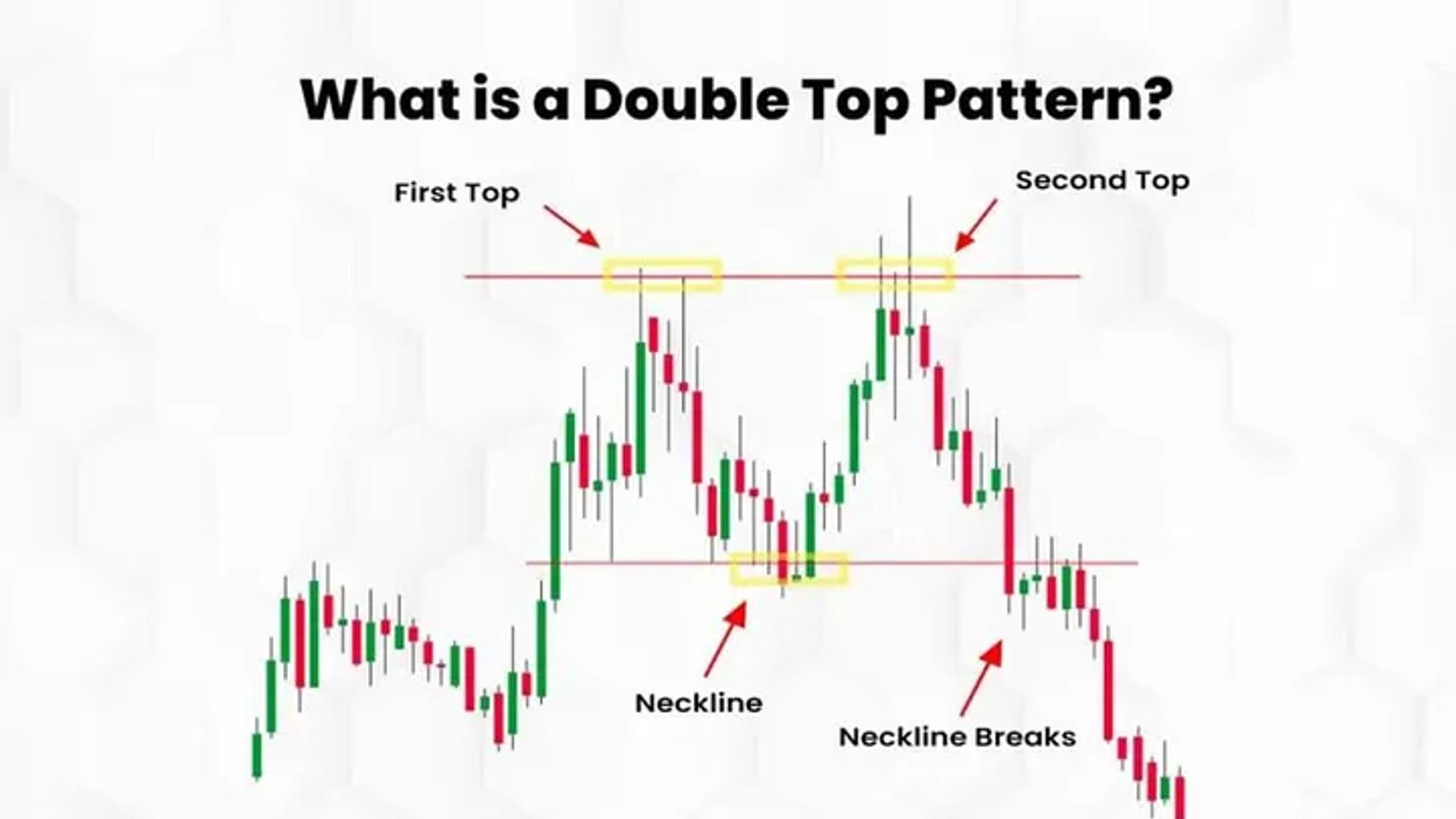
Technical analysis is the study of price charts and patterns to predict future movements. On PRDT, mastering this skill can give you a significant edge. Learn to recognize common chart patterns like head and shoulders, double tops/bottoms, and flags, which often indicate potential reversals or continuations of trends. Identifying these patterns can help you predict whether an asset’s price will rise or fall, guiding your trading decisions.
Key Indicators and Their Applications
Indicators like Moving Averages (MA), Relative Strength Index (RSI), and Moving Average Convergence Divergence (MACD) are powerful tools in technical analysis. For example, a 50-day MA crossing above a 200-day MA, known as a “golden cross,” is a bullish signal, while RSI levels above 70 or below 30 can indicate overbought or oversold conditions. Understanding how to apply these indicators in prediction markets allows you to make more accurate forecasts.
The Power of Volume Analysis
Volume is often an overlooked aspect of technical analysis but is crucial in prediction markets. High trading volume can confirm the strength of a trend, while low volume may indicate a lack of conviction. For instance, if a price breakout occurs on high volume, it’s more likely to be sustained, making it a strong candidate for a bullish prediction. Conversely, a breakout on low volume might be a false signal, suggesting caution.
Key indicators for volume analysis include:
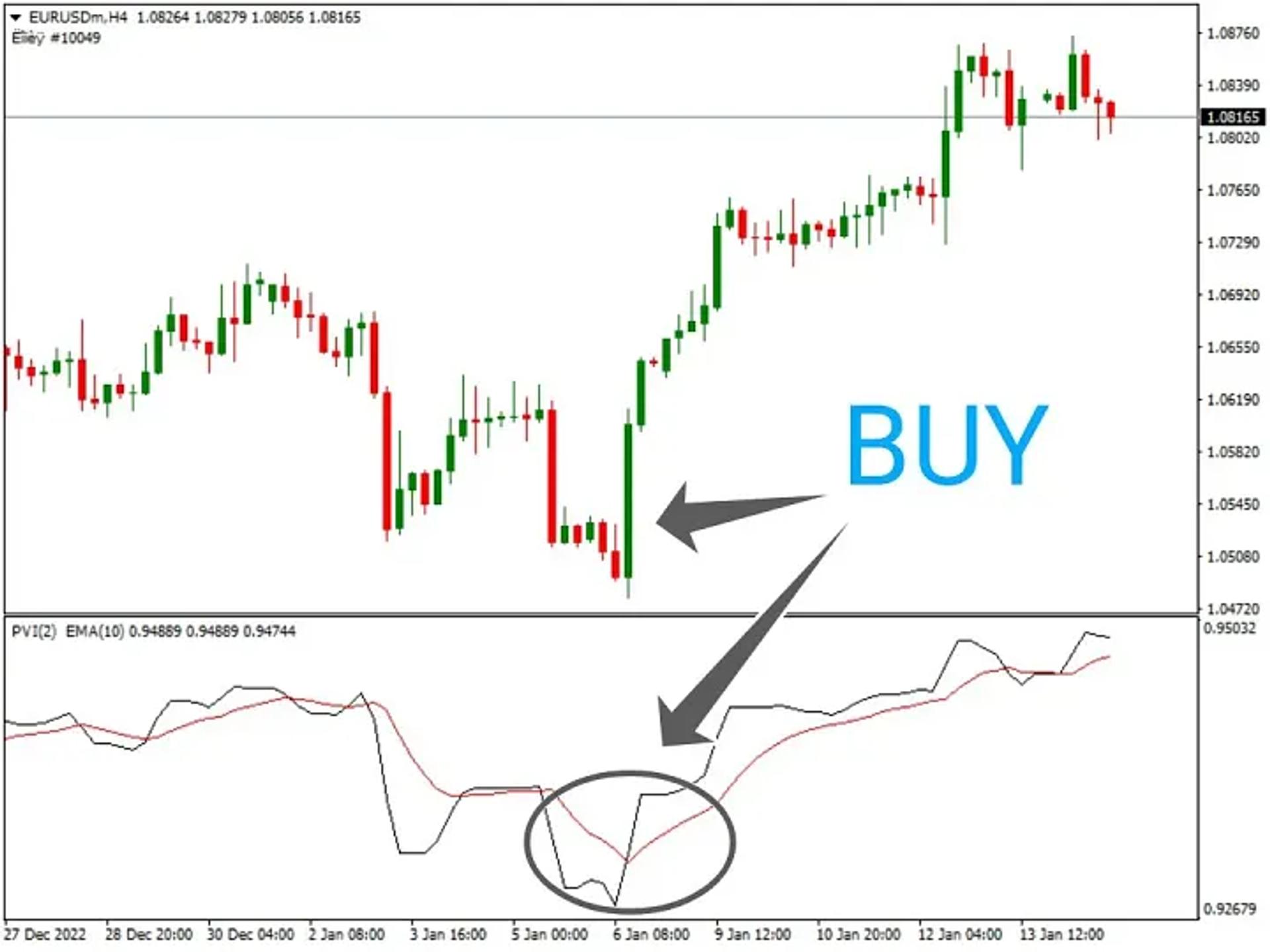
Positive Volume Index (PVI): Focuses on days where the volume has increased from the previous day, often used to identify trends driven by active market participation.
Negative Volume Index (NVI): Focuses on periods when the volume has decreased from the previous day, highlighting the behavior of the market when fewer participants are trading.
On Balance Volume (OBV): Measures cumulative buying and selling pressure by adding volume on up days and subtracting it on down days, providing insight into market sentiment.
Volume Rate of Change (ROC): Indicates the percentage change in volume over a specified period, helping to identify shifts in market momentum.
Volume Weighted Average Price (VWAP): Calculates the average price based on volume, often used as a benchmark for assessing the price trend throughout the trading day.
By incorporating these volume indicators into your analysis, you can gain deeper insights into market behavior, improving the accuracy of your predictions.
3. Risk Management: The Key to Longevity
Position Sizing and Diversification
Effective risk management starts with determining how much of your capital to risk on each trade. In prediction markets, where the outcomes can be binary, this is even more critical. Position sizing ensures that no single trade has the potential to wipe out your entire account. Diversification — spreading your trades across different assets and time frames — can further reduce risk, allowing for steadier growth of your trading capital.
Risk-Reward Ratio
Every trade should be evaluated in terms of its risk-reward ratio — the potential reward compared to the risk. A common rule is to only take trades with a risk-reward ratio of at least 1:2, meaning that for every dollar you risk, you should aim to make two. This ensures that even if you’re only right half the time, you’re still profitable in the long run.
4. The Psychology of Trading: Staying Disciplined
Avoiding the Emotional Rollercoaster
The financial markets are often driven by fear and greed, emotions that can cloud your judgment and lead to poor decision-making. In prediction markets, the immediacy of outcomes can amplify these emotions, making discipline even more crucial. Develop a trading plan and stick to it, regardless of market conditions. Avoid the temptation to double down on losing trades or to chase after quick gains.
The Importance of a Trading Routine
A disciplined trader follows a routine that includes pre-market analysis, setting clear goals for each trading session, and conducting post-market reviews. This routine helps you stay focused and reduces the likelihood of making impulsive decisions. Consistency in your approach will lead to consistency in your results.
Handling Losses and Setbacks
Losses are an inevitable part of trading, but how you handle them can determine your long-term success. After a losing trade, take the time to analyze what went wrong and learn from it. Avoid the temptation to immediately “win back” your losses, which can lead to revenge trading — a common pitfall that often results in even greater losses.
5. Continuous Learning and Adaptation
Staying Informed with Market Updates
The world of trading is dynamic, with new information constantly emerging. To stay ahead, make it a habit to follow market news, economic reports, and industry trends. This could mean keeping an eye on developments in the crypto and forex markets that could influence your predictions.
Engaging with the Trading Community
Joining a trading community can provide valuable insights and support. By discussing strategies, sharing experiences, and learning from others, you can improve your trading skills and avoid common mistakes.
Adapting Your Strategy to Market Conditions
Markets are never static, and what works in one environment may not work in another. Successful traders are those who can adapt their strategies to changing market conditions. Whether it’s adjusting your technical analysis approach during high volatility or tweaking your risk management strategy during a market downturn, flexibility is key to long-term profitability.
Introducing Classic 2.0: Elevating Your Trading Experience
Classic 2.0: Faster trades, fixed multipliers, and seamless balance switching. Welcome to the next level of trading!
At PRDT, we’re committed to enhancing your trading experience, and Classic 2.0 is our latest leap forward. This update brings dynamic new features designed to make your trading journey more rewarding.
With Pro balance compatibility, you can now seamlessly switch between Classic and Pro modes, adapting to different trading environments with ease. Our new 1-minute rounds cater to those who prefer a fast-paced approach, offering more frequent trading opportunities.
We’ve also introduced fixed multipliers, ensuring consistent returns regardless of your bet size, allowing you to focus on strategy. Plus, higher multipliers early in the round add a strategic element, with multipliers gradually decreasing as the round progresses.
Classic 2.0 is all about making trading more exciting and rewarding, bringing a fresh level of thrill and strategy to your experience on prdt.finance.
Conclusion
Trading on prediction markets like PRDT offers exciting opportunities for profit, but success requires more than just luck. By deeply understanding market dynamics, mastering technical analysis, managing your risk, maintaining discipline, and committing to continuous learning, you can build a robust trading strategy that stands the test of time. Remember, in the world of trading, the most successful traders are those who are well-prepared, well-informed, and always willing to adapt to new challenges.